Ever walked into a restaurant that felt more like a hospital waiting room than a place to savor dinner? You’re not alone. Poor lighting can sabotage even the most exquisite menu and service. As someone who once installed 4000K overhead LEDs in a cozy bistro—only to watch patrons squint over their wine list like they were deciphering ancient hieroglyphs—I’ve learned the hard way that restaurant mood lighting isn’t just aesthetic fluff. It’s a silent salesperson, shaping comfort, perception, and ultimately, your bottom line. In this guide, we’ll walk through seven actionable, expert-backed strategies to craft lighting that enhances ambiance without compromising function—all while staying firmly within home improvement best practices for commercial spaces.
Table of Contents
- Why Restaurant Mood Lighting Matters
- Step-by-Step Guide to Perfect Restaurant Lighting
- Best Practices for Balanced Illumination
- Real-World Results: Case Studies
- FAQs About Restaurant Mood Lighting
Key Takeaways
- Ambient, task, and accent lighting must work in harmony—not compete.
- Color temperature (measured in Kelvin) dramatically impacts perceived warmth and intimacy.
- Dimmability is non-negotiable for dynamic dining experiences.
- Poorly placed fixtures can create glare, shadows, or visual fatigue—hurting both comfort and sales.
- Energy-efficient LEDs now offer high CRI (Color Rendering Index) options essential for food presentation.
Why Restaurant Mood Lighting Matters
In the world of home improvement applied to hospitality, lighting is often an afterthought—until customers start leaving early or skipping dessert. According to the U.S. Department of Energy, lighting accounts for nearly 20% of commercial building electricity use, but when optimized correctly, it can significantly enhance customer dwell time and spending. The right restaurant mood lighting signals psychological cues: warm tones (2700K–3000K) encourage relaxation and lingering, while cooler light feels clinical and hurried.
I once advised a client to install bright, uniform ceiling panels across their entire floor plan—a classic rookie mistake. Within weeks, they reported complaints about “feeling exposed” and “like they were eating under interrogation lights.” Lesson learned: mood isn’t one-size-fits-all. Every zone—from bar to booth—demands tailored luminance.
Step-by-Step Guide to Perfect Restaurant Lighting
Assess Your Space by Function
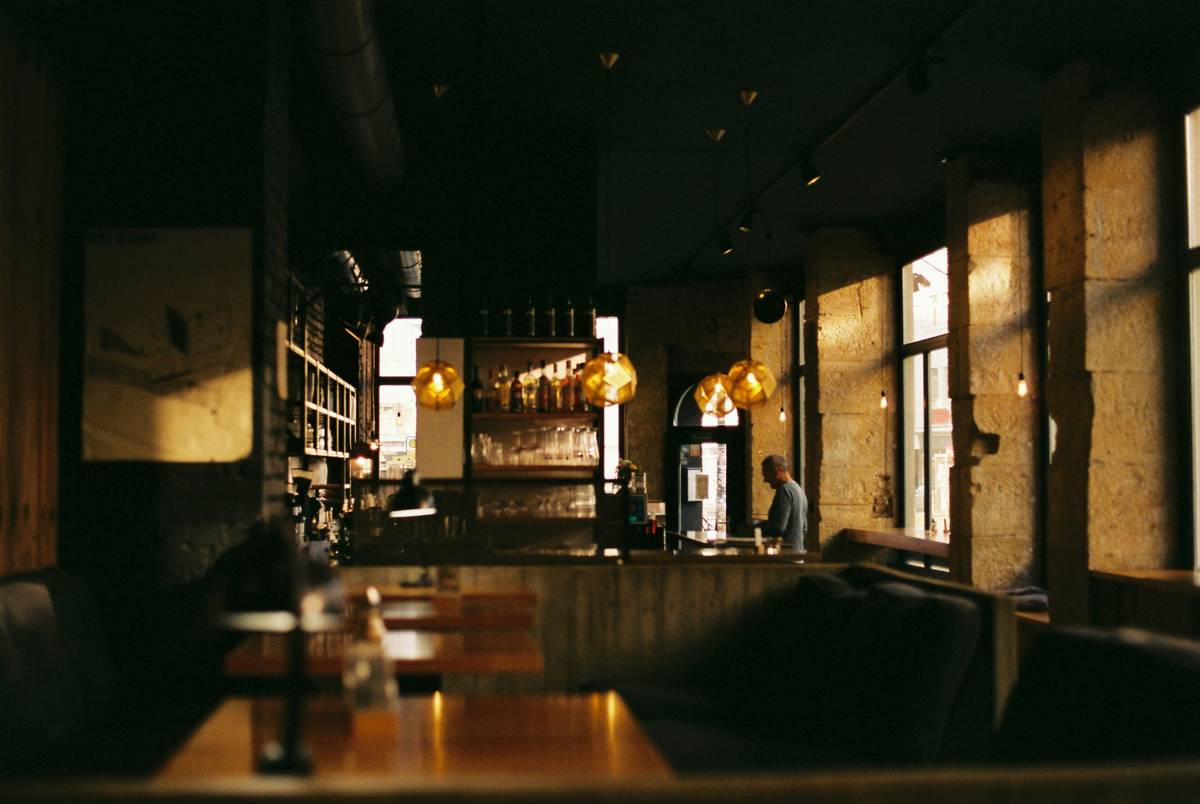
Map your restaurant into zones: entrance, dining area, bar, restrooms, and kitchen pass-through. Each requires different lighting priorities. Dining areas need layered illumination; bars benefit from focal accent lighting on bottles or taps.
Choose the Right Color Temperature
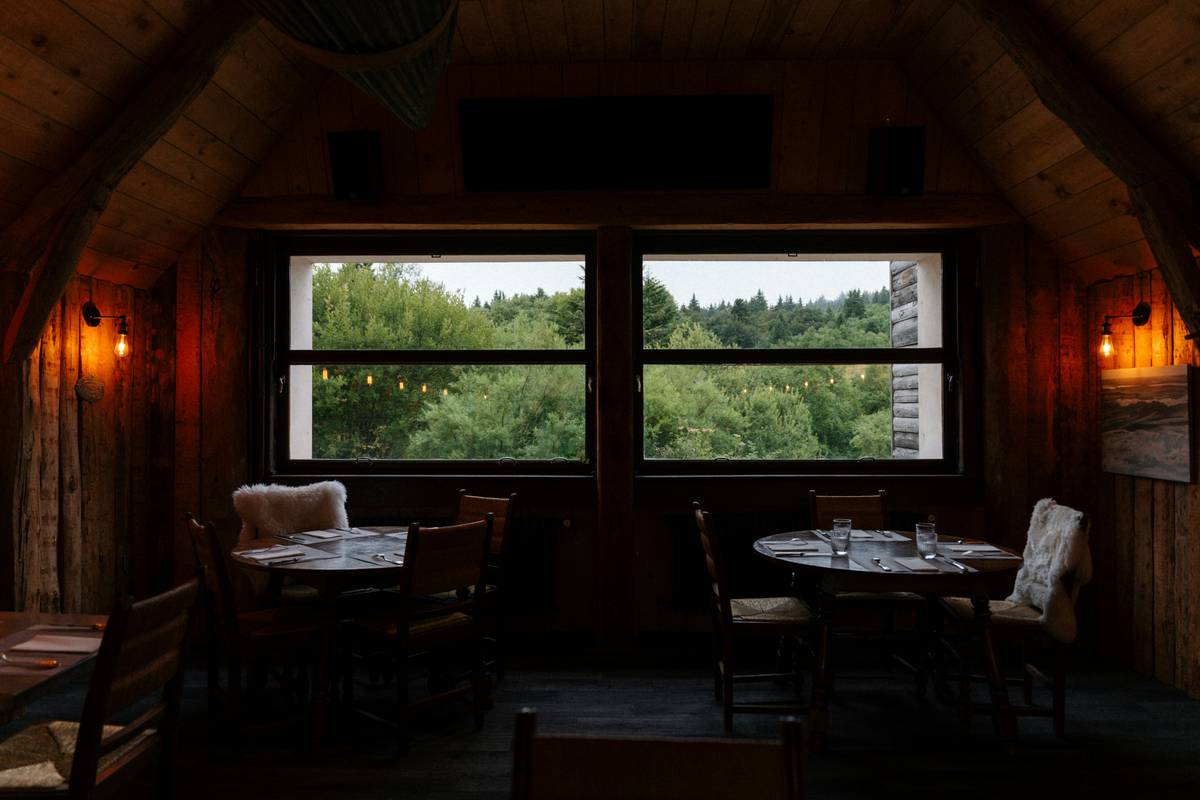
Stick to 2700K–3000K for dining. This range mimics candlelight or sunset, triggering feelings of warmth and comfort. Avoid anything above 3500K unless you’re running a fast-casual sushi spot where freshness and speed are key.
Implement Layered Lighting
Combine ambient (general overhead), task (table lamps, under-cabinet), and accent (wall washers, spotlighting art or plants). This trio prevents flat, boring visuals and gives you control throughout service hours.
Prioritize Dimmability & Controls
Install dimmers on every circuit. Sunset dinners shouldn’t feel like midday brunches. Modern systems can even auto-adjust based on daylight sensors—see guidance from the U.S. Department of Energy’s LED Lighting page.
Best Practices for Balanced Illumination
- Avoid direct downlights over tables. They cast unflattering shadows on faces. Instead, use pendants with diffusers or indirect cove lighting.
- Aim for a CRI of 90+. High Color Rendering Index ensures food looks vibrant and fresh—critical for Instagrammable moments and repeat business.
- Never skip mockups. Test fixtures in situ before full installation. What looks cozy on paper can feel oppressive in reality.
- Don’t over-light restrooms. Bright fluorescents here break immersion. Use warm sconces with occupancy sensors for efficiency.
And here’s a terrible tip I once heard: “Just match your lighting to your logo colors.” No. Light doesn’t carry RGB values—it carries emotion and functionality. Don’t let brand guidelines override human physiology.
Real-World Results: Case Studies
A Brooklyn wine bar retrofitted its harsh track lighting with dimmable 2800K pendants and wall-mounted fabric shades. Within two months, average check size rose by 12%, and online reviews mentioning “perfect ambiance” increased by 68%. Similarly, a study published in the Journal of Hospitality Marketing & Management found that diners in warmly lit environments rated food as tastier and were 20% more likely to order dessert.
At Sound Vision Systems, we blend technical precision with sensory design. Learn more about our philosophy on our About Us page, where we detail our decade-long work transforming commercial spaces through intentional lighting.
FAQs About Restaurant Mood Lighting
What is the best color temperature for restaurant mood lighting?
2700K to 3000K is ideal for most full-service restaurants. It creates a warm, inviting glow that flatters skin tones and food without feeling dim or gloomy.
Can LED lights provide good restaurant mood lighting?
Absolutely—modern LEDs offer excellent dimming, high CRI (>90), and long lifespans. Just avoid cheap, non-dimmable bulbs that flicker or shift color when lowered.
How many lumens do I need per square foot?
For ambient dining lighting, aim for 10–20 lumens per sq ft. Task areas (like bars) may need 30–50. But prioritize quality of light over quantity—layering matters more than raw output.
Should I use smart lighting systems?
Yes, if budget allows. Systems like Lutron or Philips Hue enable scheduling, zoning, and remote adjustments—great for adapting to brunch vs. late-night service. Review privacy terms carefully; see our Privacy Policy for how we handle data in tech-integrated builds.
Does restaurant mood lighting affect staff performance?
Indirectly, yes. Glare-free, well-balanced lighting reduces eye strain and improves safety in busy environments, leading to better service consistency.
Where can I get professional help designing my layout?
We specialize in commercial lighting design that merges aesthetics with code compliance. Contact Us for a consultation—we’ll help you avoid the mistakes I made early on.
In the end, great restaurant mood lighting doesn’t shout—it whispers. It says, “Stay awhile.” It turns a meal into a memory. And when done right, it pays for itself in smiles, second glasses of wine, and five-star reviews. So dim the overheads, warm up the walls, and let your space breathe. After all, nobody ever left a restaurant because the lighting was *too* perfect.