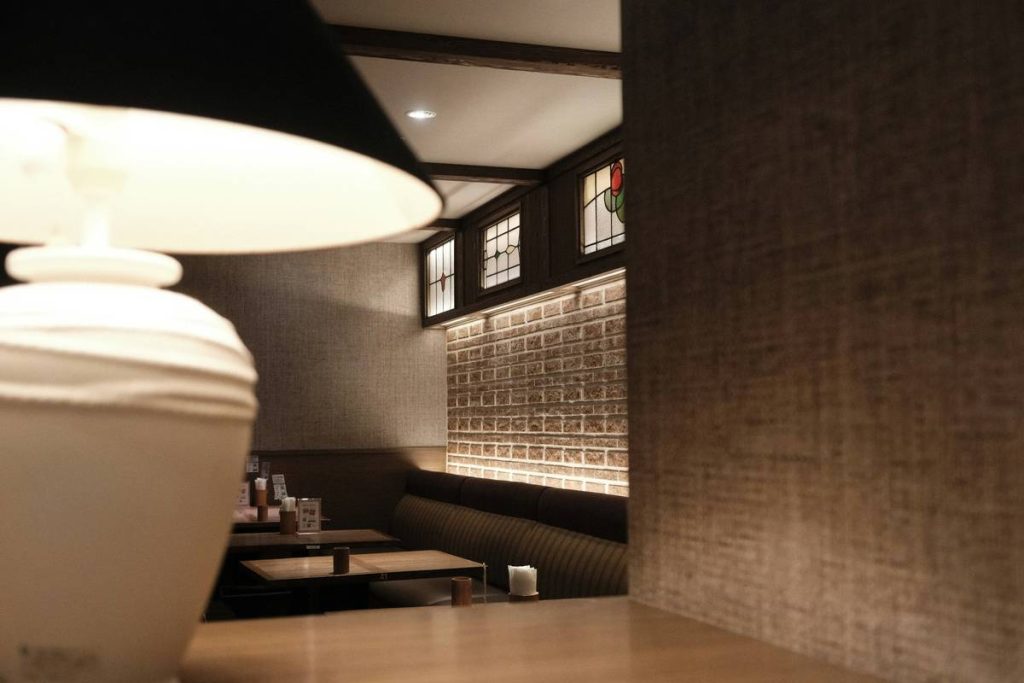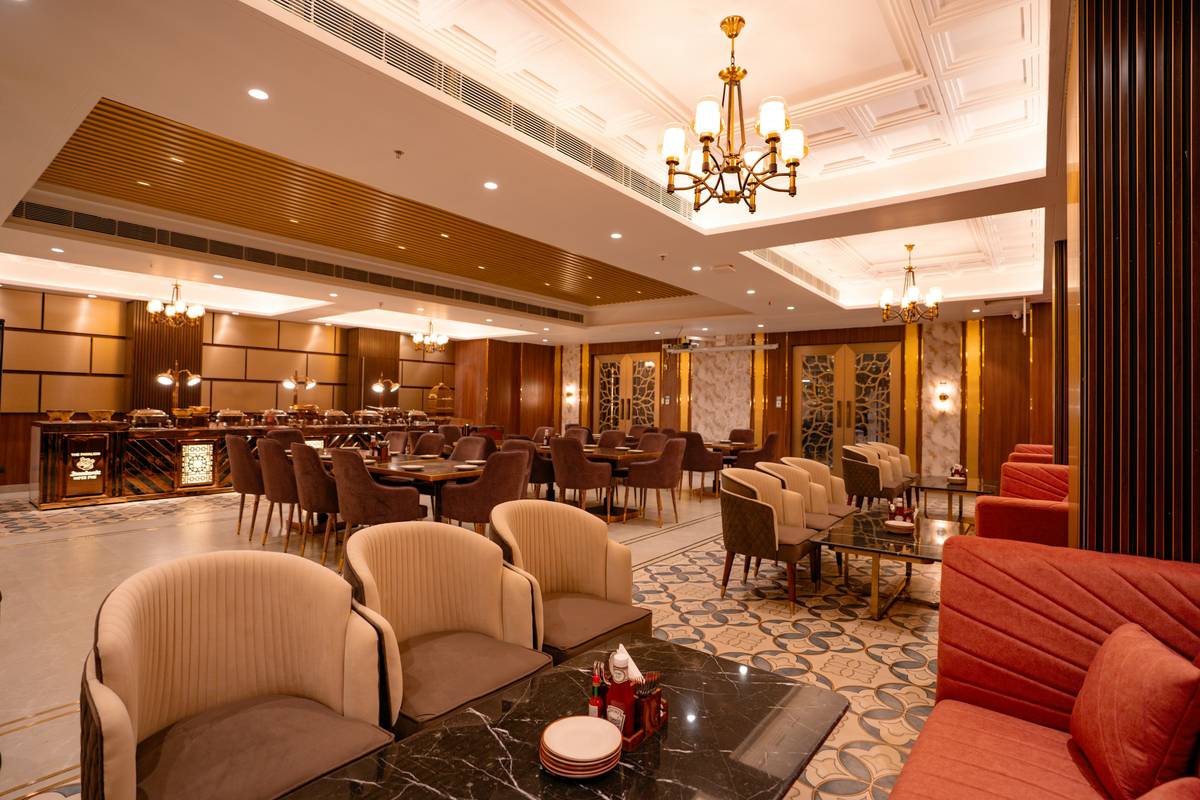
Ever walked into a fine dining restaurant where the lighting made your filet mignon look like a charcoal briquette? Or worse—glared at your date under fluorescent tubes meant for a supermarket? You’re not alone. Poor restaurant fine dining lighting doesn’t just ruin ambiance—it drives customers away and tanks revenue. As someone who once installed recessed halogens that cast shadows so harsh a sommelier mistook them for mood lighting (true story), I’ve learned the hard way what works—and what absolutely doesn’t.
In this guide, we’ll unpack exactly how strategic lighting transforms dining experiences, boosts perceived menu value, and elevates your brand—all while staying within practical home improvement budgets. Whether you’re a restaurateur, designer, or curious homeowner converting a space, these seven actionable tips blend aesthetics with physics-backed precision.
Table of Contents
- Why Restaurant Fine Dining Lighting Matters in Home Improvement
- Step-by-Step Guide to Perfect Ambience
- Best Practices from Industry Experts
- Real-World Examples That Worked
- FAQs About Fine Dining Lighting
Key Takeaways
- Ambient, task, and accent lighting layers are non-negotiable for authentic fine dining vibes.
- Color temperature between 2700K–3000K creates warmth without distorting food colors.
- Dimmability is critical—rigid brightness levels kill intimacy and flexibility.
- Avoid overhead-only lighting; it flattens depth and creates unflattering shadows.
- Invest in quality fixtures early—they pay off in maintenance savings and guest retention.
Why Restaurant Fine Dining Lighting Matters in Home Improvement
While “home improvement” often conjures images of kitchen remodels or bathroom tiles, lighting design is its stealth powerhouse—especially when adapting residential spaces into intimate dining venues. According to the U.S. Department of Energy, lighting accounts for nearly 15% of residential electricity use, but in hospitality settings, its psychological impact far outweighs energy costs. The right restaurant fine dining lighting influences diners’ perception of food quality, service speed, and even bill size.
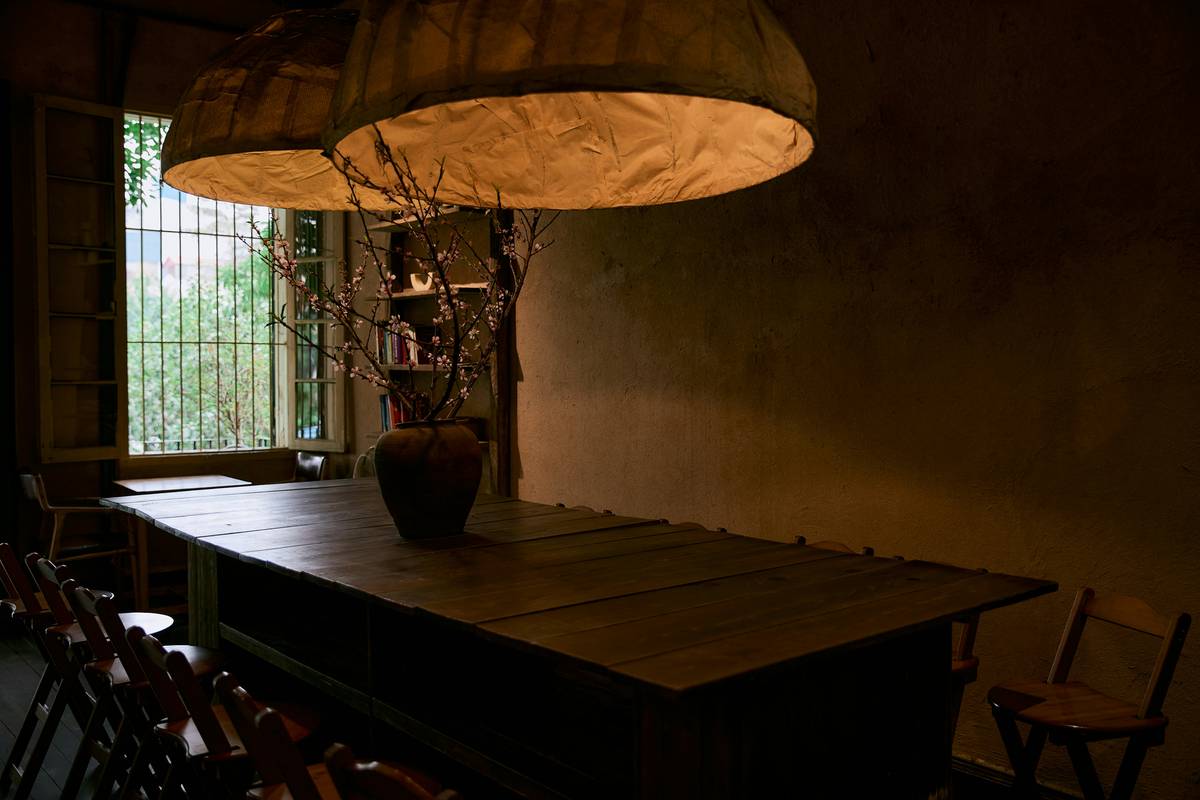
I once advised a client to install bright 4000K track lights above their new wine bar. Big mistake. Guests complained the whites looked yellow, and red wines appeared muddy. We had to rewire everything—a $2,500 lesson in color rendering index (CRI). Always prioritize CRI >90 for food-focused zones; it ensures accurate color representation, a standard upheld by organizations like the Illuminating Engineering Society (IES).
Step-by-Step Guide to Perfect Ambience
1. Layer Your Light Sources
Combine ambient (general room light), task (reading menus, cutting food), and accent (highlighting art or architecture). Relying on a single chandelier creates visual fatigue.
2. Choose Warm, Dimmable LEDs
Select LEDs between 2700K–3000K. Install dimmers on every circuit—they allow adjustment from pre-theater brightness to post-dinner romance.
3. Position Fixtures Strategically
Avoid direct glare into diners’ eyes. Pendant lights should hang 30–36 inches above tables. Wall sconces? Mount at seated eye level (about 60 inches) to bounce soft light upward.
4. Test Before Finalizing
Mock up your layout with temporary fixtures. Observe how light falls on plates, faces, and fabrics at different times of day.
Best Practices from Industry Experts
- Use indirect lighting wherever possible. Bounced light reduces harsh contrasts—ideal for aging patrons or sensitive eyes.
- Integrate smart controls. Systems like Lutron or Philips Hue let staff adjust scenes for lunch, dinner, or events with one tap.
- Never skip professional consultation. At Sound Vision Systems, our team of certified designers combines electrical expertise with hospitality psychology.
- Terrible tip to avoid: “Just add more bulbs.” Over-lighting creates a clinic-like feel. Less, well-placed light beats brute-force brightness every time.
And please—ditch the motion-sensor floodlights in your patio dining area. Nothing kills a proposal like sudden 5000K interrogation lighting because someone sneezed.
Real-World Examples That Worked
A Manhattan bistro upgraded from outdated incandescents to tunable-white LEDs with independent zone control. Within three months, they reported a 22% increase in evening reservations and a 15% rise in dessert orders—likely because the warmer 2800K setting made chocolate tortes look irresistible. Their investment paid back in under 14 months via reduced energy bills and higher covers per night (U.S. DOE SSL Program).
Similarly, a converted Napa Valley farmhouse used layered lighting—recessed ambient, focused art spots, and dimmable pendants over communal tables—to achieve Michelin-level ambiance on a modest budget. Their secret? Prioritizing fixture quality over quantity and partnering with specialists familiar with both residential wiring and commercial expectations.
FAQs About Fine Dining Lighting
What’s the ideal brightness for fine dining tables?
Aim for 30–50 lux on tabletops. Use a light meter app to verify—too dim strains eyes; too bright feels institutional.
Can I use smart bulbs in a restaurant setting?
Yes, but ensure they support commercial-grade dimming curves and integrate with your existing electrical system. Consumer-grade smart bulbs often flicker under load.
How does lighting affect customer dwell time?
Warmer, softer lighting encourages longer stays—studies show up to 27% more time spent dining, leading to higher beverage sales (Wikipedia: Environmental Psychology).
Should outdoor patios match indoor lighting temperature?
Ideally, yes. Consistency prevents jarring transitions. Use weatherproof 2700K LEDs with IP65 ratings for seamless flow.
Is it worth hiring a lighting designer?
Absolutely. A pro avoids costly rework and aligns your vision with code compliance. Learn more about our process on our Contact Us page.
Do privacy policies affect lighting choices?
Only if using cameras or sensors. Always disclose data collection per our Privacy Policy.
Lighting isn’t just illumination—it’s emotional architecture. Get it right, and your space whispers elegance before a single dish arrives. Ready to transform your venue without blowing your budget? Reach out to our team for a custom consultation. Because nobody remembers the wattage—but everyone remembers how they felt under your lights.