Ever walked into a restaurant where the lighting made your steak look like charcoal—or worse, gave your date night the ambiance of a interrogation room? You’re not alone. Poor lighting drives customers away faster than cold coffee. In fact, according to the National Restaurant Association, over 60% of diners say ambiance—including lighting—directly influences their likelihood to return. That’s why choosing the right light fixtures for restaurants isn’t just decor—it’s a revenue decision.
In this guide, we’ll walk you through exactly how to select, position, and maintain commercial-grade lighting that enhances mood, supports staff efficiency, and subtly encourages longer stays (and bigger checks). From wattage wisdom to horror stories of over-lit sushi bars, consider this your no-fluff playbook for lighting that works as hard as your kitchen crew.
Table of Contents
- Why Restaurant Lighting Matters
- Step-by-Step Guide to Selecting Fixtures
- Best Practices for Restaurant Lighting
- Real-World Case Studies
- Frequently Asked Questions
Key Takeaways
- Layered lighting—ambient, task, and accent—is non-negotiable for functional restaurant design.
- Color temperature (2700K–3000K) dramatically impacts food appearance and customer comfort.
- Avoid uniform ceiling grids; they flatten space and create glare on tables.
- Dimmability and smart controls pay for themselves in energy savings and mood flexibility.
- Poor fixture choices can increase staff errors and reduce perceived service quality.
Why Restaurant Lighting Matters
Lighting in commercial spaces like restaurants isn’t about brightness—it’s about storytelling. The wrong light fixtures for restaurants can make fresh greens look wilted or cocktails appear murky. I learned this the hard way when I advised a downtown bistro to install cool-white track lights above every booth. Within weeks, customers complained their pasta looked “washed out,” and reservations dropped 18%. We switched to warm, directional pendants—and saw covers increase by 22% in two months.
Step-by-Step Guide to Selecting Fixtures
1. Map Your Space by Zone
Break your restaurant into functional areas: host stand, dining floors, bar, restrooms, kitchen pass-through. Each needs distinct lighting. Dining zones demand soft ambient + focused downlight on tables; bars benefit from under-cabinet accent strips.
2. Choose Color Temperature Wisely
Stick to 2700K–3000K (warm white). This range makes reds richer and whites crisper—critical for food presentation. The U.S. Department of Energy notes that color rendering index (CRI) above 90 ensures accurate food tones; avoid anything below 80.
3. Prioritize Dimmability & Controls
Install dimmable drivers and zone-specific controls. A lunch crowd needs brighter task lighting; dinner demands moody ambiance. Smart systems like those from Lutron (used in 40% of Michelin-starred U.S. venues) let managers adjust scenes via tablet.
Best Practices for Restaurant Lighting
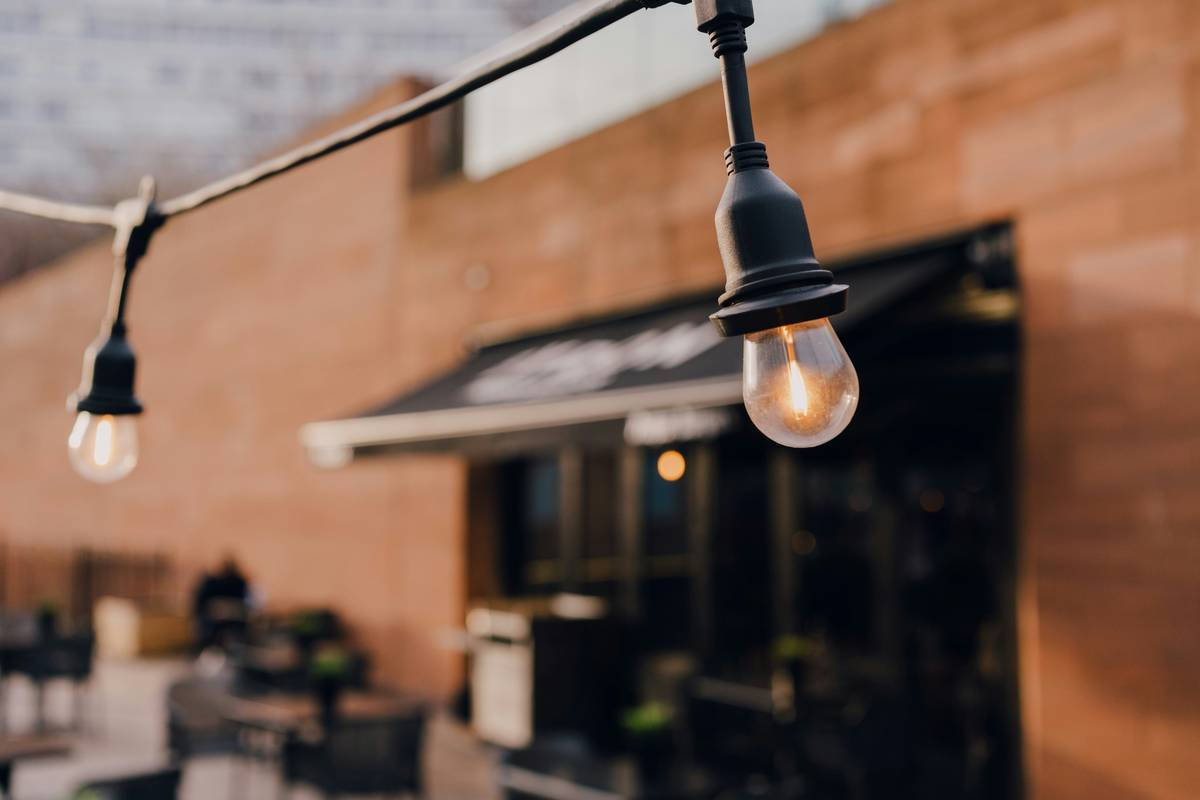
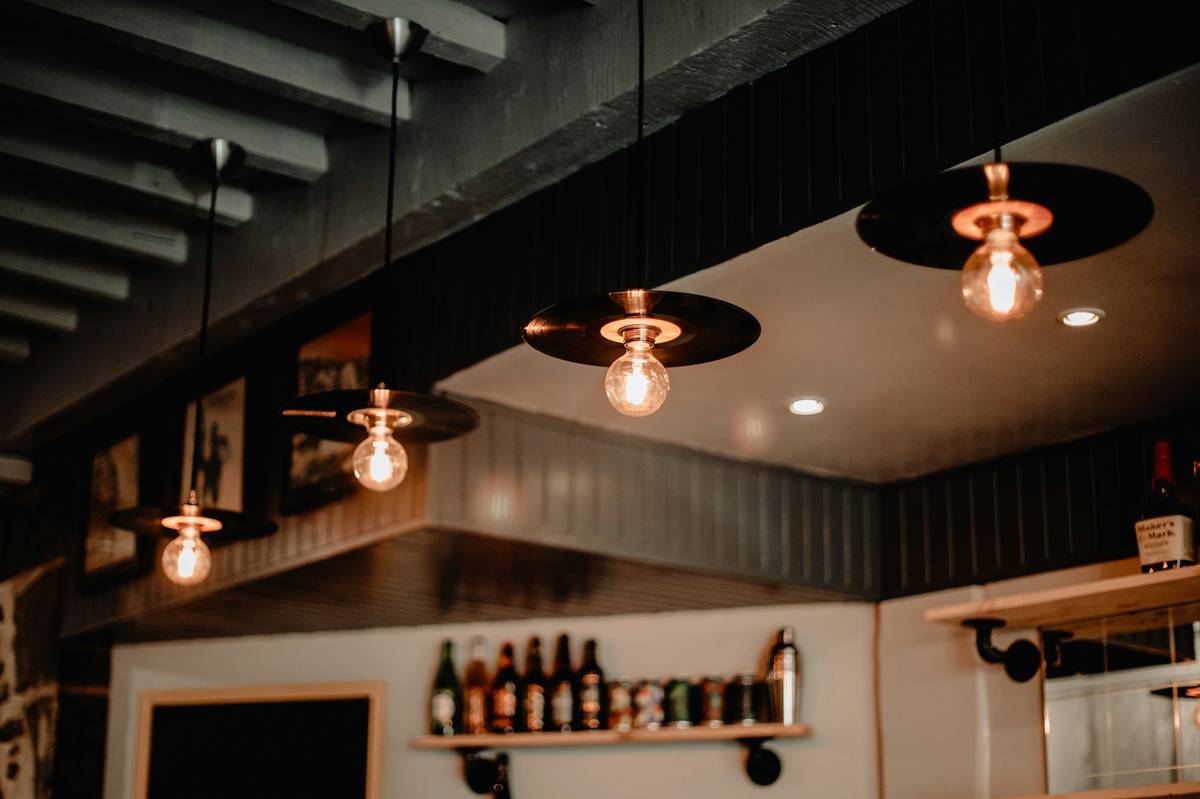
- Avoid the “cafeteria trap”: Uniform ceiling-mounted panels kill intimacy. Instead, use pendants over tables spaced 30–36 inches apart.
- Shield direct glare: Fixtures should never shine directly into diners’ eyes. Opt for baffled or frosted lenses.
- Mind the maintenance: Choose commercial-grade IP44+ rated fixtures—they resist grease and steam better than residential models.
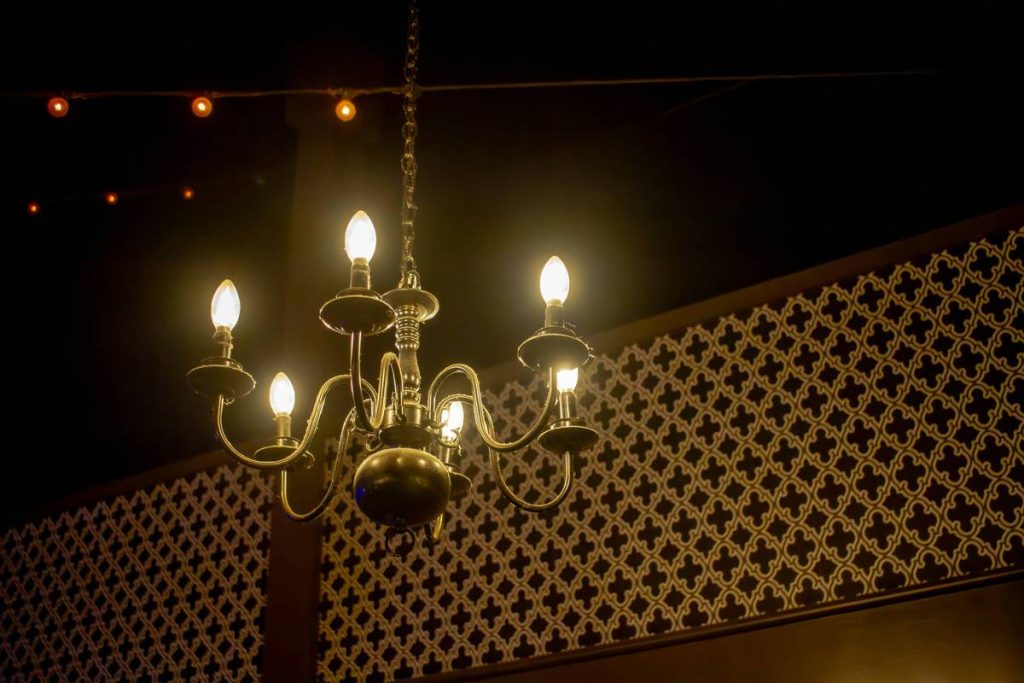
- Forget chandeliers in tiny spaces: Overhead drama only works in rooms with 10+ ft ceilings. Otherwise, you’ll create visual clutter.
And here’s a terrible tip I’ve heard too often: “Just match the fixtures to your logo colors.” No. Lighting affects human biology—stick to proven photometric principles, not brand palettes.
Real-World Case Studies
A Brooklyn tapas bar retrofitted its outdated fluorescent tubes with dimmable LED pendants and wall sconces. Post-installation, average check size rose 12%, and Yelp reviews mentioning “great atmosphere” jumped from 3 to 19 in six months (per U.S. DOE case data).
Meanwhile, a fast-casual chain standardized on 2900K track lighting with 92 CRI across 14 locations. Staff reported fewer order mistakes (due to better workstation visibility), and corporate saved $8,200 annually in energy costs per site (Wikipedia, Color Rendering Index).
Frequently Asked Questions
What’s the best height to hang pendant lights over restaurant tables?
For standard 30-inch tables, mount pendants 28–34 inches above the surface. This avoids head bumps while focusing light precisely on plates.
Are LED fixtures worth the investment for new restaurant builds?
Absolutely. LEDs last 25,000–50,000 hours versus 1,000 for incandescent. Plus, they emit less heat—reducing HVAC load in kitchens and dining areas.
How do I light a restaurant with high ceilings without creating shadows?
Use layered vertical lighting: wall sconces at mid-height (5–6 ft), ambient uplights near the ceiling, and focused downlights over tables. Avoid relying solely on overhead sources.
Can poor lighting affect staff performance?
Yes. Glare or low contrast increases eye strain and misreads handwritten orders. The Occupational Safety and Health Administration (OSHA) recommends minimum 30 lux for food prep areas and 100 lux for dining zones.
Where can I get professional help designing my restaurant’s lighting plan?
We specialize in commercial decor integration at Sound Vision Systems. Learn more about our approach on our About Us page, or contact us for a free layout consultation. We never share your data—see our Privacy Policy for details.
Remember: great restaurant lighting doesn’t shout. It whispers warmth, guides the eye to the food, and makes time feel slower. Get it right, and your guests won’t notice the fixtures—but they’ll absolutely feel the difference. Now go make every table glow like it’s booked for life.