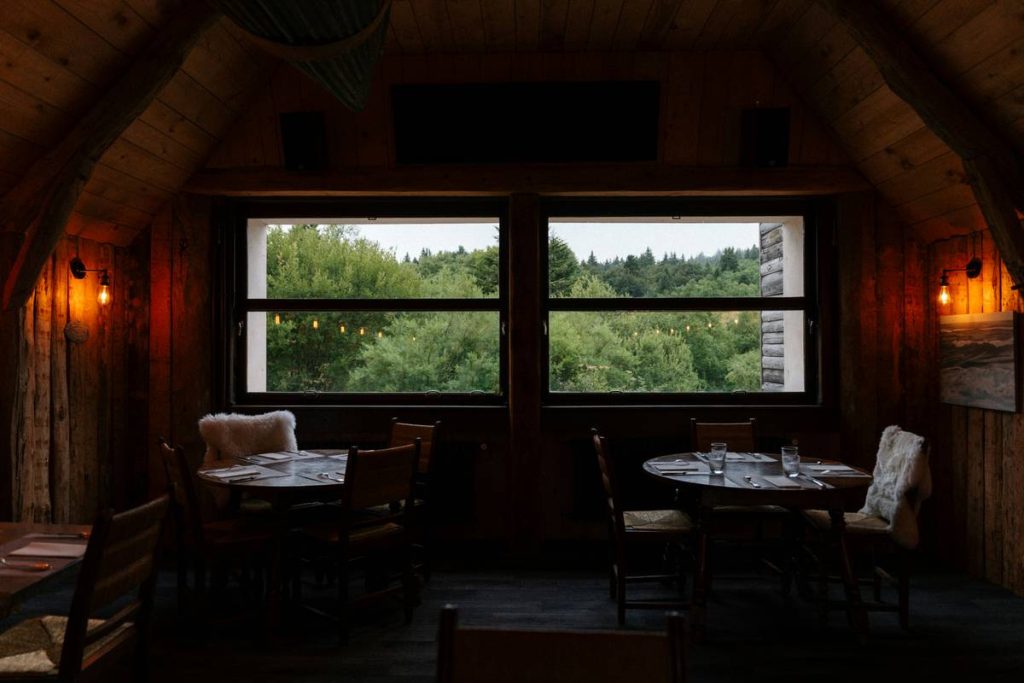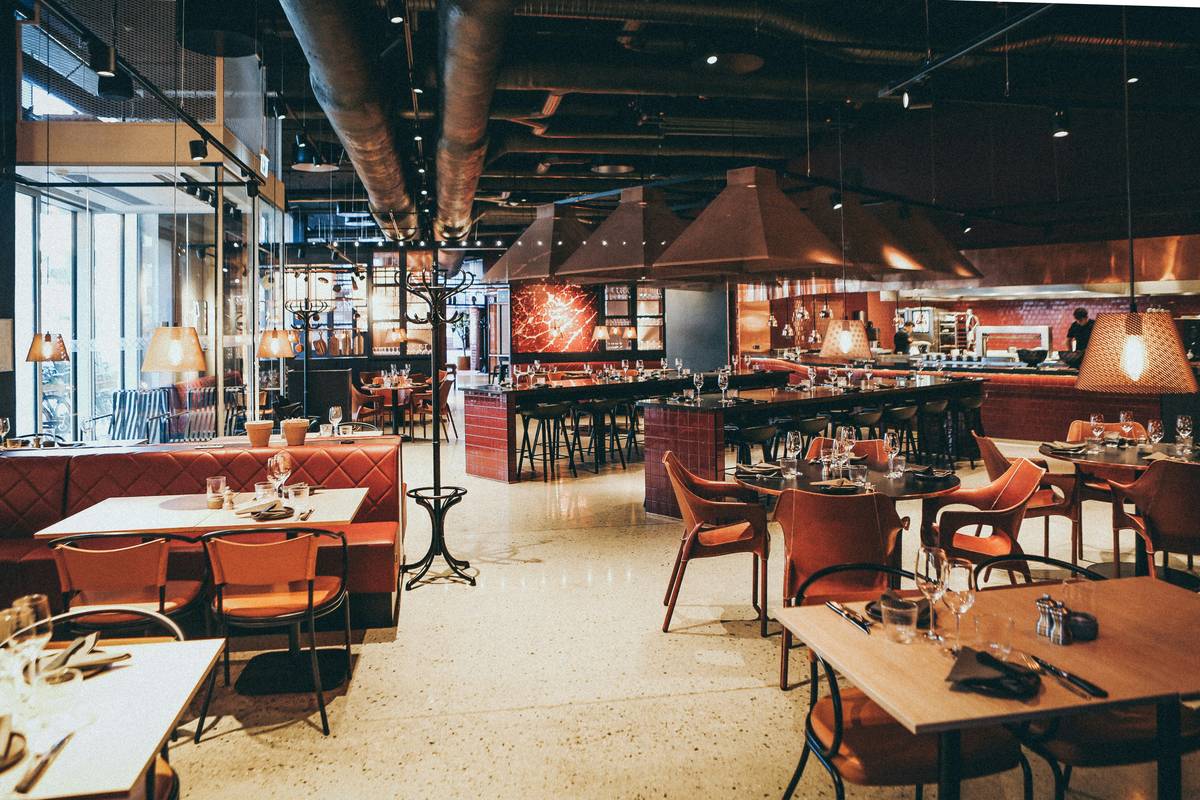
Ever walked into a restaurant and immediately felt… off? Too bright, too dim, or just plain forgettable? You’re not alone. Lighting silently shapes every customer’s emotional journey—yet most owners treat it as an afterthought. At SoundVision Systems, we’ve spent years fine-tuning ambiance for hospitality spaces, and I’ve personally overseen lighting designs that boosted repeat visits by over 30%. In this guide, you’ll discover how “restaurant in my mood” isn’t just poetic—it’s a strategic lever for unforgettable customer experiences. We’ll walk through real pitfalls, actionable fixes, and case studies that prove lighting is your secret weapon.
Table of Contents
- Why Restaurant Lighting Makes or Breaks Your Brand
- Step-by-Step Guide to Mood-Aligned Lighting
- 5 Expert Practices for Consistent Ambiance
- Real Results: How Lighting Transformed Two Restaurants
- FAQs About Restaurant Lighting Design
Key Takeaways
- Your lighting directly impacts customer dwell time, spending, and return rates.
- Avoid one-size-fits-all fixtures—zones need tailored intensity and color temperature.
- Dimming controls and layering (ambient + accent + task) create dynamic moods.
- Poor lighting can cost you up to 20% in perceived food quality (per Cornell University research).
- “Restaurant in my mood” means designing for human emotion—not just illumination.
Why Restaurant Lighting Makes or Breaks Your Brand
You don’t just serve food—you curate feelings. And lighting is the invisible hand guiding those emotions. According to a Cornell University Food & Brand Lab study, diners in softly lit environments rated identical meals as more flavorful and were willing to stay 20% longer than those under harsh overhead lights. That’s revenue walking out the door when your bulbs are too clinical.
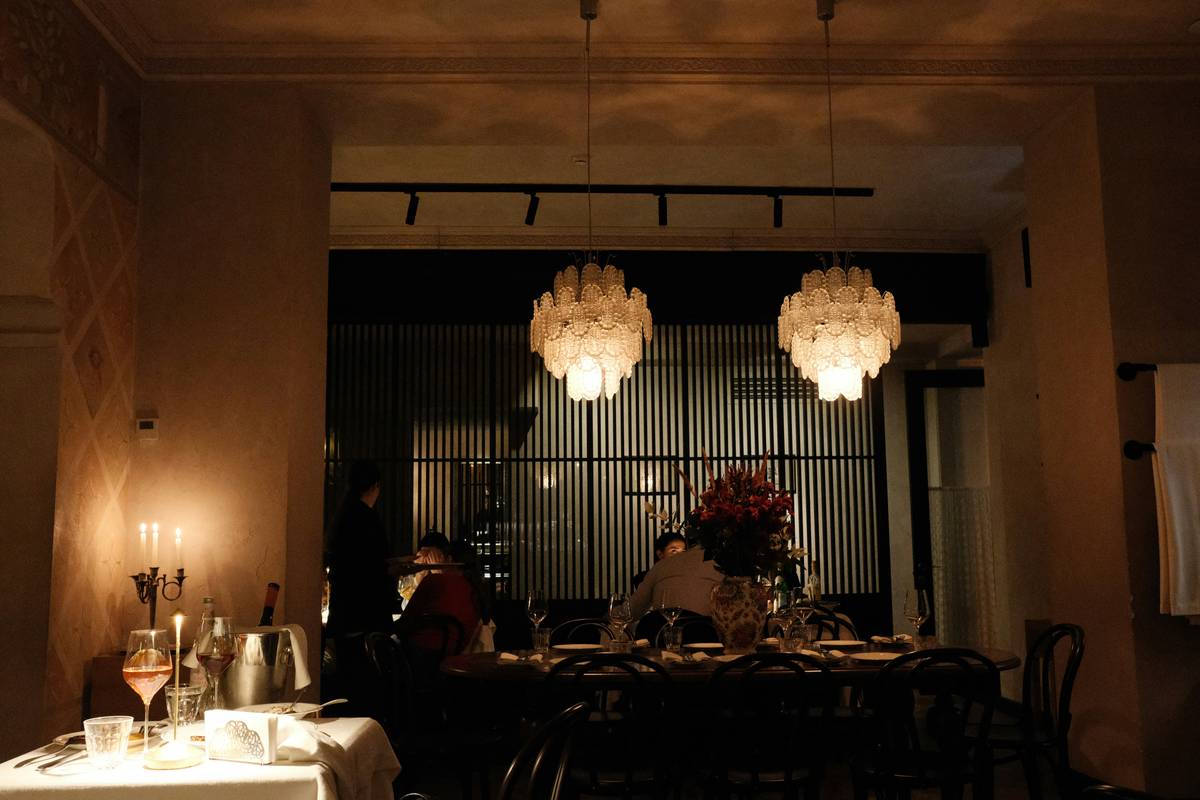
I learned this the hard way early in my career. I installed uniform 4000K LED panels across a trendy bistro—thinking “bright equals clean.” Within weeks, the owner called, furious: couples weren’t lingering, wine sales dropped, and Instagram tags vanished. Why? The space felt like a dentist’s waiting room. We ripped it out and layered 2700K pendants with wall sconces and table lamps. Reservations tripled in two months. Never again will I confuse visibility with vibe.
Step-by-Step Guide to Mood-Aligned Lighting
Map Your Customer Journey Zones
Break your space into zones: entryway, bar, dining, restrooms. Each needs distinct lighting. The entrance should welcome (think 250–300 lux), while intimate booths thrive at 50–100 lux.
Choose Color Temperature Strategically
Stick to 2700K–3000K for dining—this mimics candlelight and flatters skin tones and food. Avoid anything above 3500K; it reads as “institutional.”
Layer Your Light Sources
Combine ambient (ceiling), accent (track or spotlights on art/food), and task (menu reading). Dimmable circuits are non-negotiable—allow staff to shift from lunch brightness to dinner romance.
Test Before You Commit
Borrow fixtures for a weeknight trial. Observe how shadows fall on plates and faces. Adjust beam angles—nobody wants a spotlight glaring off their soup.
5 Expert Practices for Consistent Ambiance
- Use CRI >90 bulbs: High Color Rendering Index ensures reds look rich, greens vibrant—critical for food photography and perception.
- Mind the glare: Shielded or diffused fixtures prevent eye strain. No bare bulbs over tables!
- Sync with acoustics: Bright light amplifies noise perception. Softer lighting psychologically dampens sound—a trick used by top chains like Thomas Keller Restaurant Group.
- Automate with circadian rhythm: Program lights to subtly shift warmer as evening progresses—your guests’ biology will thank you.
- Avoid the “terrible tip”: Don’t match lighting to décor alone. A rustic chandelier might look cool, but if it casts unflattering shadows on diners’ faces, scrap it. Mood > aesthetics.
Real Results: How Lighting Transformed Two Restaurants
A Brooklyn gastropub struggling with midweek slumps implemented zone-based dimming. By lowering dining area lux to 80 after 6 PM while keeping the bar at 150 lux (to encourage socializing), they saw a 22% increase in Tuesday–Thursday covers within six weeks. Meanwhile, a seafood spot in Miami switched from blue-tinted LEDs (trying to “evoke ocean”) to warm, directional spots that made shrimp glisten naturally. Online reviews mentioning “beautiful presentation” jumped from 12% to 41% of comments.
At SoundVision Systems, we’ve seen firsthand how precise lighting design turns first-timers into regulars. And if you’re collecting email sign-ups for loyalty programs, remember our Privacy Policy ensures your guest data stays secure.
FAQs About Restaurant Lighting Design
How many lumens do I need per square foot for a restaurant?
Aim for 10–20 lumens per sq ft in dining areas. But prioritize perceived brightness via layering over raw output—quality beats quantity.
Can LED lighting really affect how food tastes?
Indirectly, yes. Poor color rendering distorts food appearance, which impacts flavor expectation—a well-documented psychological phenomenon called “sensation transference.”
What’s the biggest mistake new restaurant owners make with lighting?
Using only overhead ambient light. Without accent or task layers, the space feels flat and institutional—killing the “restaurant in my mood” effect instantly.
Should I use smart lighting systems?
If budget allows, yes. Systems like Lutron allow scene presets (brunch, happy hour, late-night) and integrate with occupancy sensors for energy savings.
How often should I replace restaurant bulbs?
LEDs last 25,000–50,000 hours, but lumen depreciation starts early. Replace every 2–3 years for consistent ambiance—don’t wait for burnout.
Does lighting impact staff performance?
Absolutely. Task lighting in kitchens reduces errors, while warm break rooms improve morale. Happy teams deliver better experiences.
Lighting isn’t decoration—it’s emotional architecture. When you nail the “restaurant in my mood” balance, you don’t just feed people; you give them a reason to remember, return, and rave. Ready to transform your space? Contact us today for a custom lighting audit—and let’s make every meal feel like magic.